The Ultimate UK Business Setup Guide for Expats: Start Your Journey Today

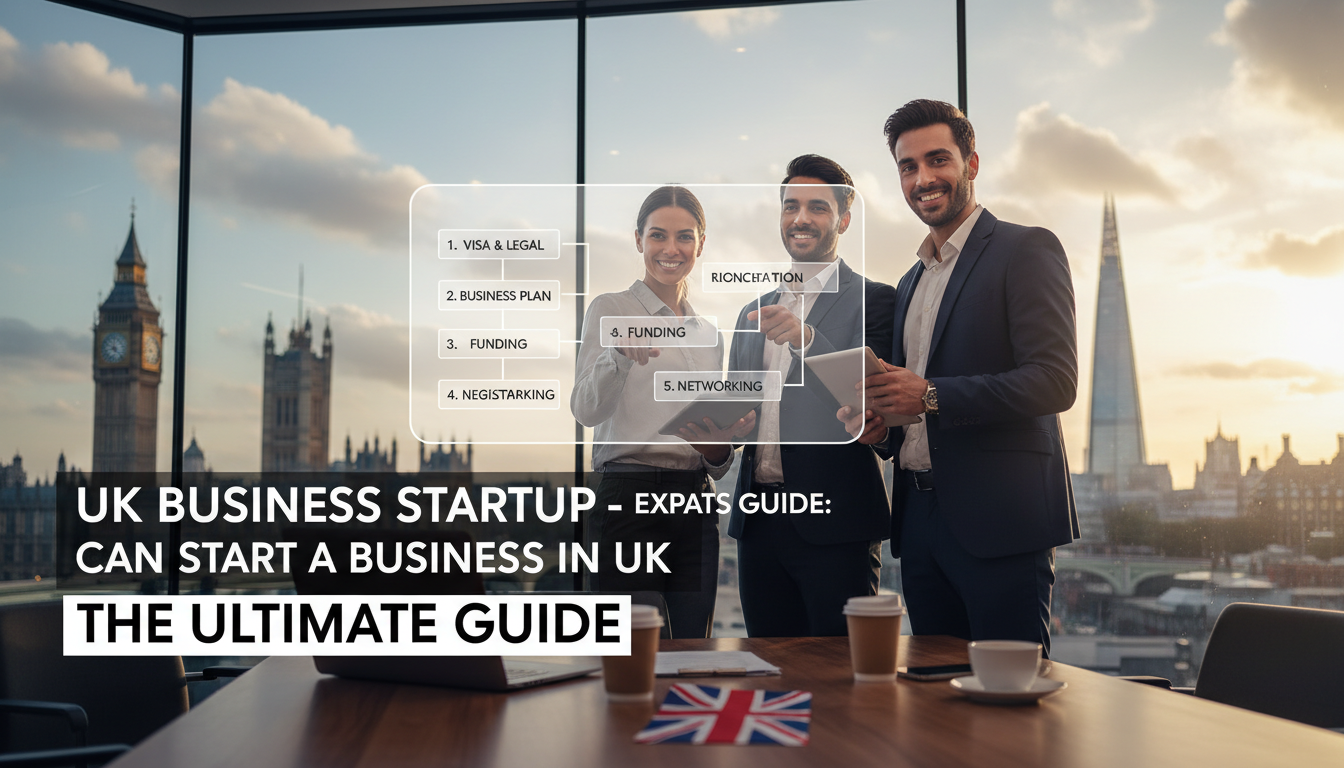
So, you’ve decided to take the plunge. You’ve got a killer idea, a good dose of ambition, and you are eyeing the United Kingdom as your launchpad. That is fantastic news! The UK is one of the best places in the world to start a company, thanks to its robust economy and relatively straightforward legal system. However, if you are new to the country, the paperwork can feel a bit daunting. Don’t panic! We have put together this comprehensive UK business setup guide for expats to walk you through the process, step by step, without the headache.
1. Check Your Visa and Legal Status
Before you print those business cards, let’s talk about the boring (but essential) stuff: your right to work. As an expat, your ability to start a business depends heavily on your visa status. Not every visa allows you to be self-employed or run a company.





- Innovator Founder Visa: Ideal if you have a unique business idea endorsed by an approved body.
- Global Talent Visa: For leaders in academia, research, arts, or digital technology.
- Skilled Worker Visa: Generally, this ties you to a specific employer, so check the fine print carefully if you want to run a side hustle.
Always consult with an immigration lawyer to ensure your UK business setup guide for expats checklist starts on the right side of the law.
2. Choose Your Business Structure
Once your legal status is sorted, you need to decide how your business will operate. In the UK, there are three main types of business structures that expats usually consider:
Sole Trader
This is the simplest form. You run the business as an individual. You keep all the profits after tax, but you are also personally responsible for any losses (unlimited liability).
Limited Company (LTD)
This is the most popular choice for many expats. A limited company is a separate legal entity from you. This means your personal assets are protected if the business runs into trouble. It requires more paperwork, but it often looks more professional to clients.
Partnership
Similar to a sole trader, but you share the responsibility (and profits) with a partner.

3. Pick a Name and Register Your Address
What’s in a name? A lot, actually! You need a name that is unique and not offensive. If you are setting up a Limited Company, you must register it with Companies House.
Crucial tip for expats: You need a registered office address in the UK. This is where official mail will go. If you haven’t secured a physical office yet, don’t worry. You can use a virtual office address service or your accountant’s address. This keeps your residential address private and satisfies the legal requirement.
4. Registering with Companies House and HMRC
This is where things get official. To officially follow this UK business setup guide for expats, you need to incorporate your company.
For Limited Companies, you will need:
- Memorandum of Association: A legal statement signed by all initial shareholders.
- Articles of Association: Written rules about running the company.
- Form IN01: The application to register a company.
Once registered with Companies House, you will automatically be registered for Corporation Tax. However, you must also register for VAT if your annual turnover exceeds £85,000.
5. Open a UK Business Bank Account
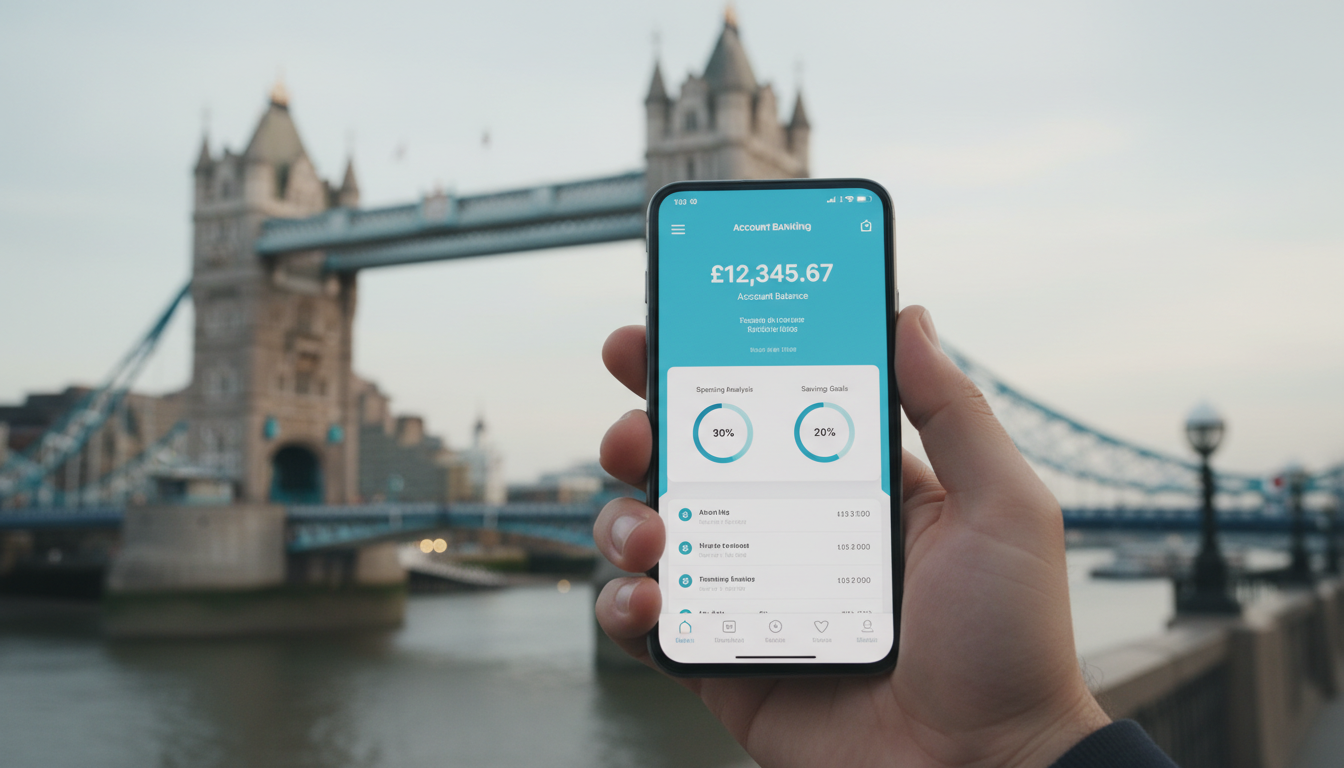
Here is where many expats hit a snag. High street banks in the UK can be notoriously strict with new arrivals who lack a credit history. They often ask for proof of address, utility bills, and a business plan.
The Solution: Consider “Challenger Banks” or fintech solutions like Monzo, Revolut, or Tide. They are fully regulated, much faster to set up, and generally more expat-friendly than traditional banks.
6. Understand Your Tax Obligations
The UK tax year runs from April 6th to April 5th. Depending on your structure, you will deal with:
- Corporation Tax: Currently 19-25% on profits (for Limited Companies).
- Income Tax & National Insurance: Paid on your salary and dividends.
- VAT: Value Added Tax on goods and services.
Getting a local accountant is highly recommended. They can save you money and ensure you don’t accidentally upset the taxman (HMRC).
Summary
Starting a business in a new country is a brave move, but with the right preparation, it is incredibly rewarding. By following this UK business setup guide for expats, you are laying a solid foundation for success. From sorting your visa to picking the right banking partner, taking it one step at a time is key. Good luck, and welcome to the UK business community!