So You Want to Start a Small Business in UK as an Expat? Here is Your Ultimate Guide

Moving to the United Kingdom is an adventure in itself, but deciding to launch your own venture across the pond? That is a whole new level of excitement. The British entrepreneurial spirit is thriving, and the ecosystem is surprisingly welcoming to international talent. However, navigating the red tape can feel a bit overwhelming if you are new to the system.
If you are looking to start a small business in UK as an expat, you have come to the right place. We are going to break down everything you need to know—from visas to taxes—in a way that does not require a law degree to understand. Let’s grab a cuppa and dive in!



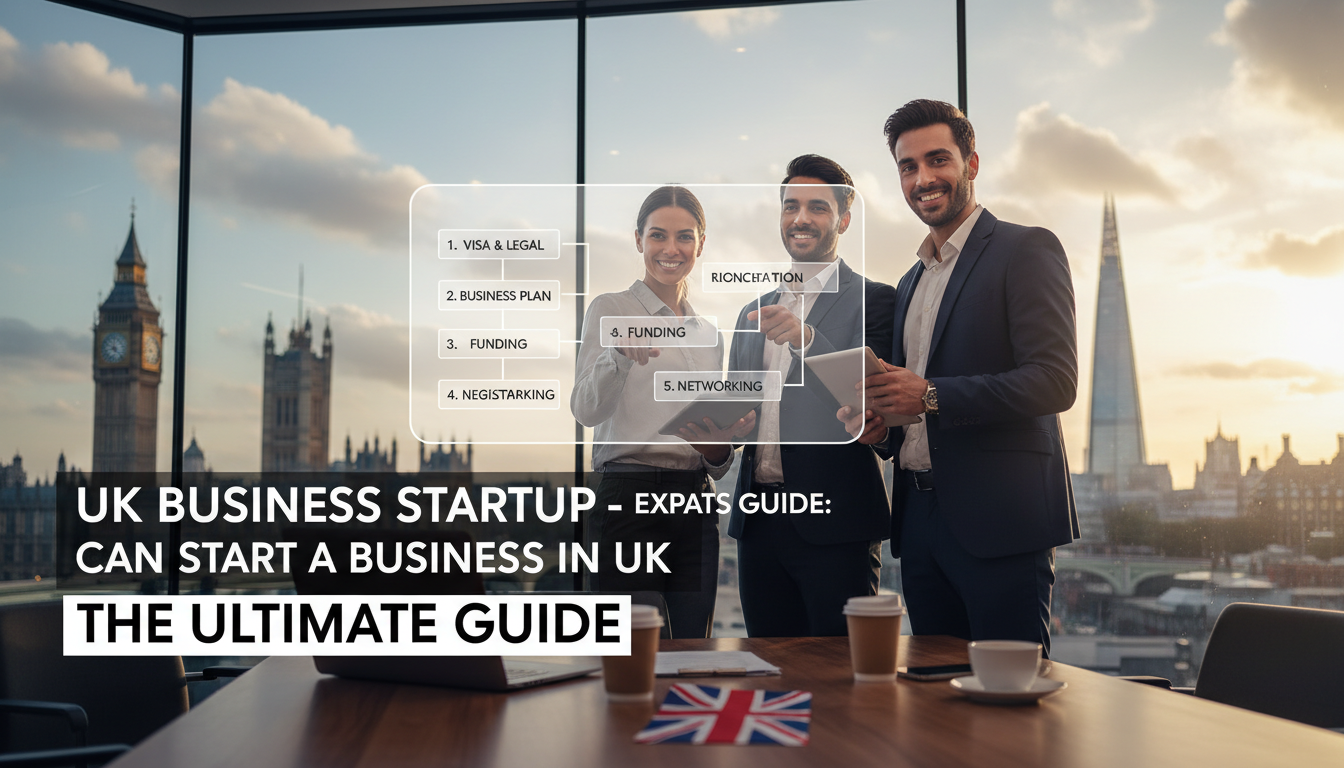

1. Check Your Visa Status First
Before you start printing business cards, we need to address the elephant in the room: your immigration status. Not every visa allows you to be self-employed or run a company.
- Skilled Worker Visa: Generally, this visa ties you to a specific employer. You usually cannot start a business that competes with your primary job or takes up too much time, though there are nuanced exceptions for ‘supplementary work’. Always check the fine print.
- Innovator Founder Visa: This is the gold standard for entrepreneurs. It is designed for those who want to set up an innovative business. You will need an endorsement from an approved body.
- Global Talent Visa: If you are a leader in digital technology, arts, or science, this flexible visa allows you to be self-employed easily.
- Indefinite Leave to Remain (ILR): If you have settled status, congratulations! You have the same rights to start a business as a British citizen.
2. Choose Your Business Structure
Once your legal right to work is sorted, you need to decide how to structure your company. When you start a small business in UK as an expat, you typically have two main choices:
Sole Trader
This is the simplest route. You and your business are effectively the same legal entity.
- Pros: minimal paperwork, keep all profits (after tax), total privacy.
- Cons: You are personally liable for any debts the business incurs.
Limited Company (Ltd)
This creates a separate legal entity. The business has its own finances separate from yours.
- Pros: Limited liability protection, potentially more tax-efficient, looks more professional to B2B clients.
- Cons: More administrative filing (Companies House), corporate tax responsibilities.

3. Registering Your Business
The UK makes registration surprisingly digital and fast.
- For Sole Traders: You must register for Self Assessment with HMRC (Her Majesty’s Revenue and Customs). This is how you will report your income and pay taxes.
- For Limited Companies: You need to register with Companies House. It costs a small fee (often under £50) and can be done online. You will need a registered UK address—this is crucial. If you don’t have a physical office yet, many expats use virtual office services to keep their home address private.
4. Sorting Out the Banking Nightmare
We will be honest: opening a business bank account is often the biggest hurdle when you start a small business in UK as an expat. Traditional high-street banks (like Barclays, HSBC, Lloyds) often require proof of address history and credit checks that newcomers might lack.
The Solution? Go Digital.
Fintech banks are lifesavers for expats. Consider looking into:
- Monzo Business
- Revolut Business
- Tide
- Starling Bank
These platforms are fully regulated and often allow you to open an account in minutes via an app, which is a game-changer for getting your operations running quickly.
5. Taxes and Insurance
Nobody likes talking about taxes, but the UK system is strict.
- Corporation Tax: If you are a Limited Company, you pay tax on profits.
- VAT (Value Added Tax): If your turnover exceeds £90,000 (check current thresholds as they change), you must register for VAT. You can also register voluntarily to reclaim VAT on purchases.
- Insurance: Depending on your industry, you might need Public Liability Insurance or Professional Indemnity Insurance. If you hire staff, Employers’ Liability Insurance is a legal requirement.

6. Networking and Culture
The UK business culture is polite but direct. “Networking” is huge here. Join local Chambers of Commerce or specific expat business groups on LinkedIn. The British appreciate punctuality and often mix business with a bit of social banter—usually about the weather or football!
Final Thoughts
Taking the leap to start a small business in UK as an expat is a bold move, but with the right preparation, it is entirely achievable. The UK market is dynamic, and diversity is celebrated. Just ensure your visa is in check, your structure is sound, and your banking is sorted. Good luck!