How to Start a Business in UK as a Foreigner: A Simple Guide

So, you’ve got a killer idea and your eyes are set on the British market? That’s awesome! The United Kingdom is one of the best places in the world to launch a startup due to its robust economy and global connectivity. But if you aren’t a resident, you might be scratching your head asking, “Can I really Start a business in UK as a foreigner?”
The short answer is: Yes, absolutely! And the even better news is that it’s not as scary as it sounds. You don’t need to be a British citizen or even live in the UK to be a director or shareholder of a British company.






In this guide, we’re going to break down exactly how you can Start a business in UK as a foreigner, manage the paperwork, and get your venture off the ground without getting a headache. Let’s dive in!
Why Choose the UK?
Before we get into the “how,” let’s briefly touch on the “why.” The UK has a massive economy, a transparent legal system, and English is the business language of the world. Plus, the process to register a company is surprisingly fast and digital compared to many other European countries.

1. The Legal Stuff: Do You Need a Visa?
This is the most common confusion for international entrepreneurs. Here is the deal:
- To Own a Company: You do not need a visa to be a shareholder or a director of a UK company. You can live in Bali, New York, or anywhere else and still own a UK Limited company.
- To Work in the Company: If you want to actually move to the UK and work there day-to-day running the business, you will need a visa.
If you plan to relocate, you should look into the Innovator Founder Visa or the Global Business Mobility routes. However, if you are happy running things remotely or hiring a local manager, you can Start a business in UK as a foreigner without ever stepping foot on British soil.
2. Choose Your Business Structure
For most foreigners, the best route is setting up a Private Limited Company (LTD).
- Sole Trader: This is tricky for non-residents because you usually need to be in the UK for tax purposes and National Insurance.
- Limited Company: This is a separate legal entity. It protects your personal assets (limited liability) and is much easier to register from abroad.
3. Getting a Registered Address
You can’t just use a PO Box. To Start a business in UK as a foreigner, your company must have a physical address in the UK where official mail from Companies House and HMRC (the tax authority) can be delivered.
Don’t worry, you don’t need to rent an expensive office immediately. There are plenty of service providers that offer “Registered Office Address” services for a small annual fee. They will scan and email your official mail to you anywhere in the world.
4. The Registration Process
Here is the step-by-step checklist to make it official:
1. Pick a unique name: Check the Companies House database to make sure no one else has it.
2. Appoint officials: You need at least one director (can be you) and one shareholder (can also be you).
3. Prepare documents: You’ll need a “Memorandum of Association” and “Articles of Association.” (Most formation agents provide standard templates automatically).
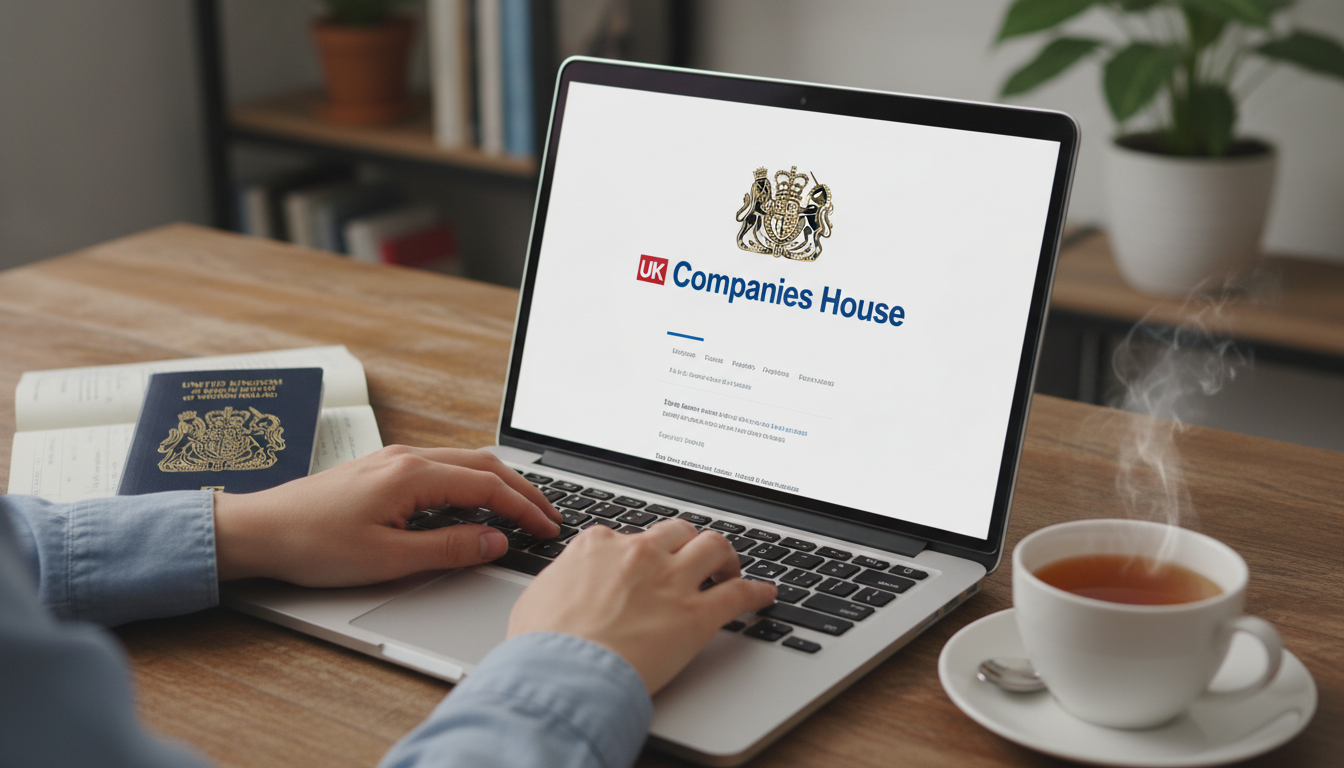
4. Register with Companies House: You can do this online for a very small fee (currently usually under £50).
Once submitted, your company can often be formed within 24 hours!
5. The Banking Challenge
Okay, let’s keep it real. This is the hardest part when you Start a business in UK as a foreigner. Traditional high-street banks (like Barclays, HSBC, Lloyds) often require the director to visit a branch in person to open an account, which can be a hassle.
The Solution: Fintech.
Modern digital banks are much more friendly to non-residents. Look into:
- Wise Business
- Tide
- Revolut Business
- Airwallex
These often allow you to open a UK sort code and account number remotely, which you need to pay vendors and receive payments.
6. Taxes: Making HMRC Happy
As a UK company director, you have responsibilities regardless of where you live:
- Corporation Tax: You must pay tax on your company profits.
- Annual Confirmation Statement: A yearly update to Companies House to confirm your details are correct.
- VAT: If your turnover exceeds the current threshold (e.g., £90,000), you must register for VAT.
Even if you live abroad, your company is a UK resident, so it pays UK taxes.
Final Thoughts
Deciding to Start a business in UK as a foreigner is a bold move, but it’s a brilliant one. The ecosystem is supportive, the setup is digital-first, and the credibility of a UK Limited company is recognized globally.
Just remember the golden rules: get a registered UK address, choose a Limited Company structure, and look at digital banking options to save yourself a headache. Good luck with your British venture!